Plasma
Plasma research includes a small Tokomak used for wave propagation studies, applications of plasma technology to pulsed power devices, plasma synthesis of thin films, high power microwave generation, and electric space propulsion engines.

A Short Course on Pulsed Power 2027.
Date: Jan. 5-7, 2027
Registration will open up soon for the event.
Click the flyer below to learn more about the course topics.
Please email p3e@ttu.edu for latest information about the 2027 Short Course.

For undergraduate or graduate students pursuing a career in pulsed power, several scholarships are available.
Apply hereP3E Students attended the IPMHVC and EIC Conference in person to present their sponsored research. A total of about 20 abstracts were submitted to the conference.
Student Abstracts
The PPST program is designed to improve achievement and expedite student progress through the rigorous curriculum in electrical and computer engineering. Recipients will become part of a mentoring program that will provide direction and support as well as guided project work in the laboratory.
Scholarship candidates will be chosen based on a multi-faceted review system that will include: scholastic achievement, interest in pulsed power and high voltage devices, and recommendations. Finalists will be interviewed by electrical and computer engineering faculty. Awardees are expected to provide written, brief bi-monthly reports on the status of their academic and project efforts. Recipients will be expected to take pulsed power related electives, apply for national security related internships, and remain in good standing throughout the award.
More Information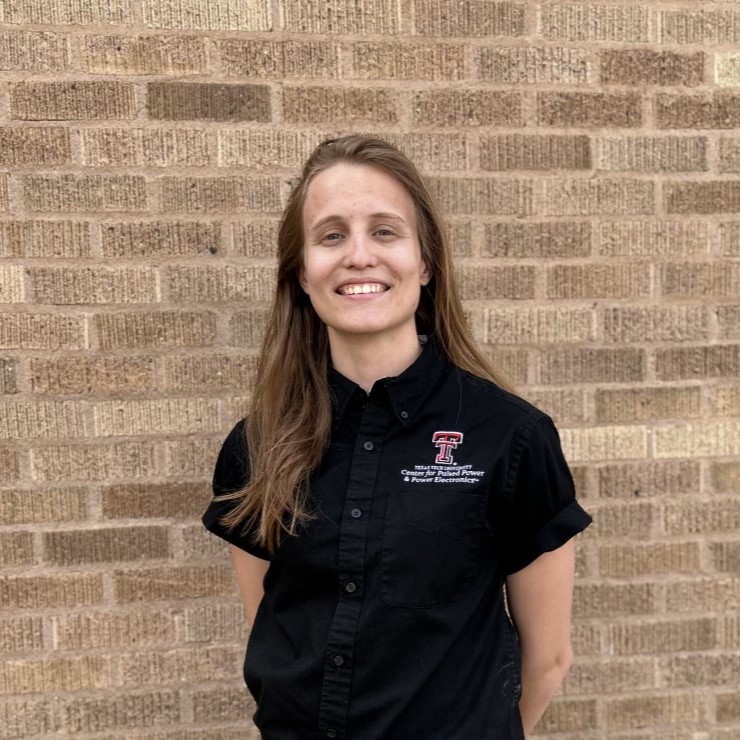
Raimi Clark has been awarded the DOE NNSA Laboratory Residency Graduate Fellowship.This fellowship is directed towards students performing research in "fields of study that address complex science and engineering problems relevant to stewardship science". As part of this program, Raimi will spend two research residency periods at Sandia National Laboratories studying high voltage surface flashover and related phenomena. During the remainder of the fellowship tenure, she will continue to perform research at the Center for Pulsed Power and Power Electronics under the guidance of Dr. Andreas Neuber.
Raimi Clark's Fellowship Profile
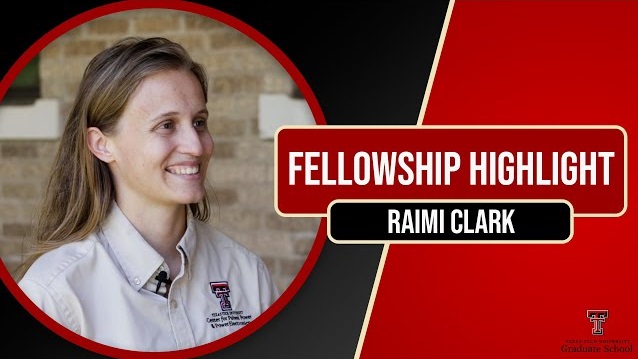

Dawson Wright has been granted the DOE NNSA Laboratory Residency Graduate Fellowship,which specifically supports students engaged in research addressing intricate science and engineering challenges relevant to stewardship science. Within this program, Dawson will undergo two research residency periods at the Nevada National Security Site in Las Vegas, Nevada. His focus during these periods will be the examination of the impacts of fast pulses on nanocrystalline materials and the study of the consequences of combining two pulsed power sources. Throughout the remaining duration of the fellowship, Dawson will persist in conducting research at the Center for Pulsed Power and Power Electronics, guided by Dr. Andreas Neuber.
The Center for
Pulsed Power and Power Electronics (P3E)has three primary research areas:
Plasma research includes a small Tokomak used for wave propagation studies, applications of plasma technology to pulsed power devices, plasma synthesis of thin films, high power microwave generation, and electric space propulsion engines.
Pulsed power research concentrates on high power switching, materials studies, and high power microwaves. The program is heavily interdisciplinary and involves faculty members from EE, ME, Physics and Chemistry.
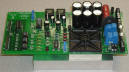
Power electronics research is focused on very large power IGBT's, Ultra High Power SCR's, advanced electrical and thermal packaging, robust controls for plasma arcs, and high bandwidth monitoring and control of electric machines. The program is also in the development of a power electronics curriculum at the national level in collaboration with the University of Minnesota.
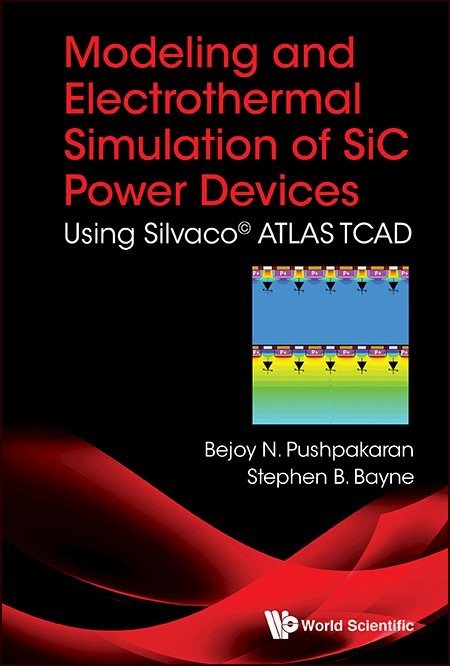
Bejoy N Pushpakaran and Stephen B Bayne (Authors)
2019, 464 p., Hardcover
ISBN: 978-981-3237-82-7
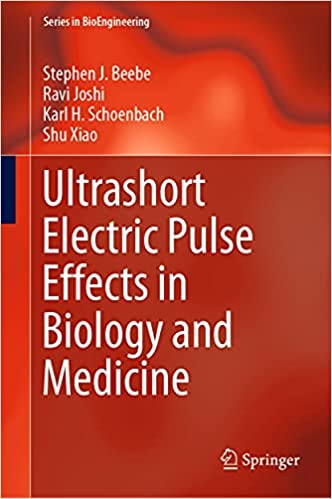
Series: BioEngineering
Stephen J. Beebe, Ravi Joshi, Karl H. Schoenbach, Shu Xiao (Authors)
2021, 461 p., Hardcover
ISBN: 978-9811051128
Helical Magnetic Flux Compression Generators
Series: Power Systems
Neuber, Andreas A. (Ed.)
2005, XII, 280 p. 203 illus., Hardcover
ISBN: 978-3540260516
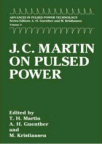
Series: Advances in Pulsed Power Technology, Vol. 3
Martin, T.H.; Guenther, A.H.; Kristiansen, M. (Eds.)
1996, 535 p., Hardcover
ISBN: 978-0306453029
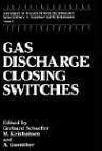
Series: Advances in Pulsed Power Technology, Vol. 2
Schaefer, Gerhard; Kristiansen, M.; Guenther, A.H. (Eds.)
1991, 600 p., Hardcover
ISBN: 978-0306436192
